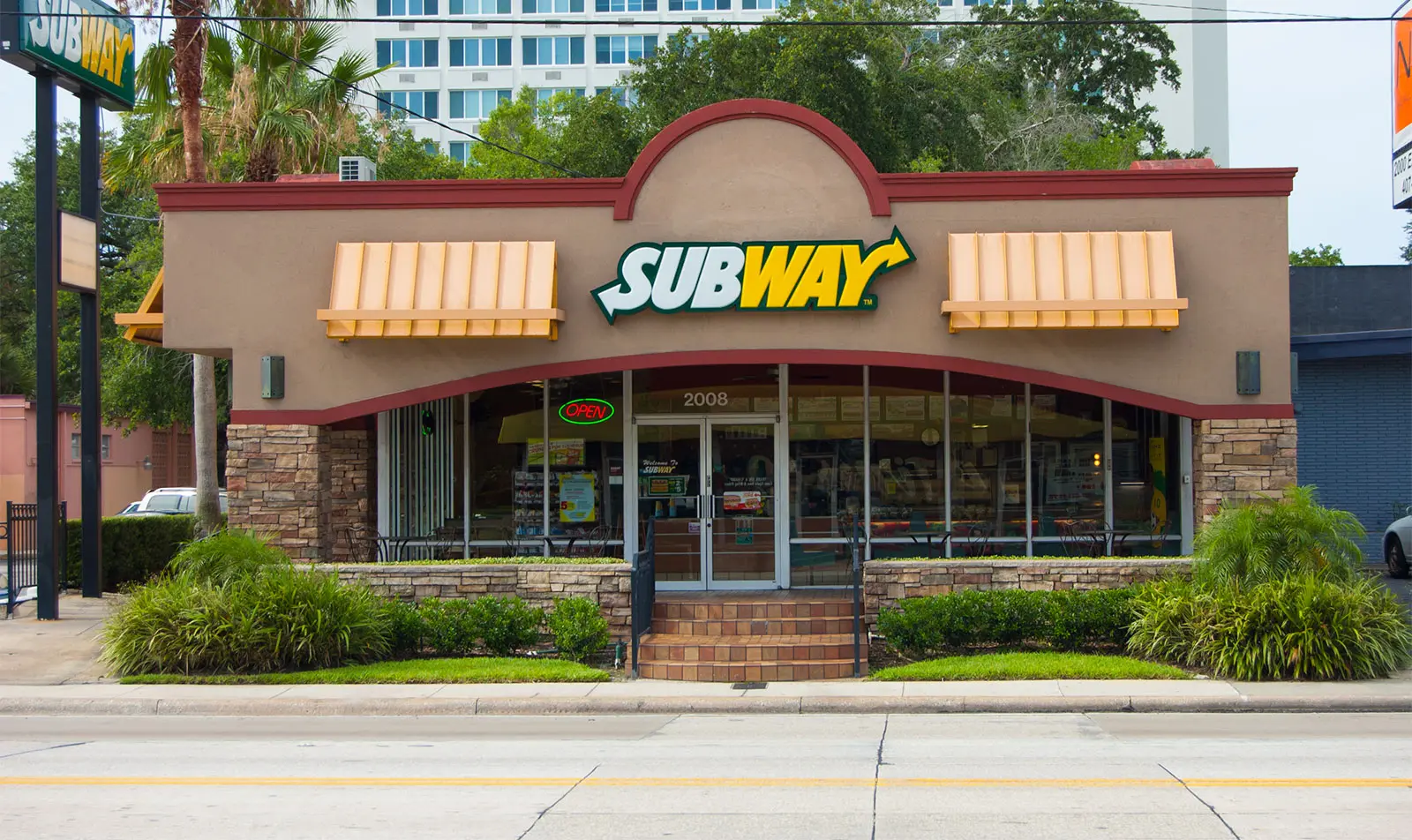
Subway Modernizes Learning Across 35,000+ Restaurants with Workato Automation
The Client Profile: Subway
Subway IP LLC is one of the world’s largest quick-service restaurant brands, with a global network of independently owned and operated franchise locations. Unlike a traditional corporate workforce, Subway’s franchise model creates a highly distributed learning environment. Training and employee information must support thousands of independently operated restaurants while maintaining consistency across the broader brand.
With 35,000+ restaurants globally, modernizing the technology behind that learning ecosystem required more than simply implementing a new LMS. Subway needed a scalable way to move valuable historical learning information into Docebo while reducing the manual work associated with managing data at franchise scale.
The Challenges
Migrating Learning Data Across a Massive Franchise Ecosystem
Subway’s legacy learning environment contained historical user, enrollment, completion, and training information that needed to remain accessible following its transition to Docebo. At the scale of a global franchise network, manually recreating that information would introduce significant administrative effort and migration risk.
The migration presented several challenges:
- Historical learner and training records needed to be preserved during the transition to Docebo.
- Large volumes of learning information needed to move accurately between systems.
- Legacy data structures needed to be mapped to the corresponding fields and objects within Docebo.
- Learner histories and completion records needed to remain associated with the appropriate users.
- The migration needed to minimize manual intervention while establishing a scalable foundation for future learning operations.
For a learning ecosystem supporting thousands of franchise locations, traditional manual migration processes weren't a scalable solution. Subway needed automation capable of orchestrating data movement between its legacy environment and Docebo.
The Solutions
Using Workato to Automate the Transition to Docebo
Quandary leveraged Workato-powered automation within the Docebo ecosystem to help orchestrate the movement and transformation of learning information into the new LMS environment. Rather than relying on administrators to manually recreate historical records, automation could coordinate repeatable migration activities at scale. Workato provided the automation and integration capabilities necessary to connect data sources, apply transformation logic, and move information through structured workflows.
Connecting Legacy Learning Data to Docebo
The process began by identifying the user and learning information that needed to transition from the legacy LMS. Existing records could then be mapped to the appropriate structures within Docebo, establishing how users, enrollments, learning histories, and other relevant information should appear in the new environment. With those relationships established, Workato could serve as the orchestration layer between the legacy data and Docebo. Instead of treating each record as a manual migration task, automated workflows could process information systematically.
Transforming Data Through Automated Workflows
Moving information between enterprise systems rarely involves simply copying one field into another. Legacy information needed to be transformed and standardized to align with Docebo’s requirements. Workato-enabled workflows provided a way to apply repeatable business logic as information moved between environments; and that meant data could be:
- Retrieved from source systems
- Evaluated against migration requirements
- Transformed into the appropriate structure
- Routed to the corresponding Docebo records
- Processed consistently across large volumes of information
Automation reduced reliance on employees manually manipulating data before it could enter the new LMS.
Preserving Historical Learning Records
One of the most important objectives was ensuring that the move to a new LMS didn't erase valuable learning history. User information needed to remain connected to corresponding enrollment and completion records after migration. Through structured data mapping and automated processing, historical learning information could move into Docebo while preserving the relationships necessary to maintain meaningful learner histories.
Creating a Scalable Automation Foundation
The value of Workato extended beyond the initial migration. By establishing an automation layer around Docebo, Subway gained a framework capable of supporting additional integrations and automated learning processes as requirements evolved. Which meant, instead of depending exclusively on manual LMS administration or isolated integrations, Workato provided a scalable foundation for orchestrating processes between Docebo and the systems surrounding it.
The Results
Learning Modernization at Global Franchise Scale
Subway successfully moved historical learning and user information from its legacy learning environment into Docebo. The transition established a modern learning-data foundation capable of supporting one of the world’s largest franchise ecosystems.
35,000+ Restaurant Network
The learning environment supports a brand operating across more than: 35,000 Restaurants. The scale of Subway’s franchise network makes automation especially important when managing learning information and processes across a highly distributed organization.
Historical Learning Data Preserved
Existing learner histories didn't have to be abandoned simply because the underlying learning technology changed. Historical user and learning information could move forward into Docebo, providing greater continuity between the legacy and modern LMS environments.
Reduced Dependence on Manual Data Processing
Workato-powered automation provided a scalable alternative to manually recreating and transforming large volumes of learning information. Repeatable migration activities could be automated, reducing the administrative burden associated with moving data between systems.
Foundation for Continued LMS Automation
The project established more than a modern LMS. By incorporating Workato-powered automation into the Docebo environment, Subway gained an integration foundation capable of supporting additional learning workflows as its technology ecosystem continues to evolve.
The Business Impact
Replacing an LMS at enterprise scale is fundamentally a data and integration challenge. For an organization operating across more than 35,000 franchise locations, manually managing the movement of historical learning information would create unnecessary complexity and administrative effort.
By combining Docebo with Workato-powered automation, Subway could modernize its learning environment while preserving valuable historical information and creating a scalable integration foundation.
- 35,000+ Restaurants across the global franchise network
- Automated data movement and transformation through Workato-powered workflows
- Preserved historical learner and training information during LMS modernization
- Scalable integration foundation surrounding the Docebo learning environment
The project demonstrates how Workato can play a critical role in LMS modernization. Rather than simply serving as another application within the technology stack, Workato acts as the connective layer between systems—orchestrating data movement, transformation, and automated processes surrounding Docebo and for Subway, that meant moving beyond a traditional LMS migration toward a learning environment designed to operate at franchise scale.
Our Latest Projects


Services
Industries
© 2026 Quandary Consulting Group. All Rights Reserved.
Privacy Policy